The New Climate Divide Research Group
The research project focuses on the analysis of polarization around climate change as a political mobilization issue, shaped by an emerging right-wing front and an increasingly mainstream yet fragmented green camp.
Project Description
The New Climate Divide project, financed by the DFG Emmy Noether Programme, asks how climate change is transforming from a broadly consensual issue into a polarising political divide that reshapes mobilisation, participation, and political identities in Europe. It theorises climate politics as a distributive conflict in which competing coalitions mobilise relative winners and losers through different problem definitions, policy visions, and reform trajectories, especially under conditions of overlapping economic and geopolitical crises. Empirically, the project investigates these dynamics across electoral and civil-society arenas in seven European countries between 2010 and 2030.
In three inter-related work packages, ClimateDivide examines how actors mobilise around climate change, how citizens engage in response, and how in-group and out-group identities emerge around the climate divide.
Work Packages
Mobilisation
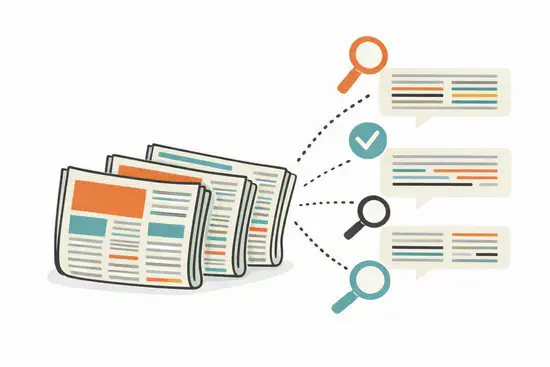
How political parties, movements, and civil society organisations form coalitions and mobilise competing visions of climate politics.

Participation
How citizens engage with climate politics across issues and action forms, and how mobilisation strategies shape participation.

Group Formation
How political identities and group boundaries emerge around climate change in contexts of crisis and polarisation.
Latest News
Latest Publications
Meet the Team
Principal Investigator

Postdoctoral Researcher

Student Assistants
Nina Sophie Baumann
Student Assistant
Tessa Brancalion
Student Assistant
Samantha Cotter
Student Assistant
Lilyana Marie Göring
Student Assistant
Luca Li Calzi
Student Assistant
Marin Marcial
Student Assistant
Claire Meyers
Student Assistant
Bianca Pătrăucean
Student Assistant
Mariana Silitrari
Student Assistant
Administrative Assistance